In the days immediately following the great disaster everyone was
busy caring for the homeless and the poor. A generous public poured
$360,000 into Chelsea; but other problems began to arise. Amid the
confusion there developed a widespread feeling that the best
interests of Chelsea demanded some special body of men, with unusual
powers. This demand for a new government was no reflection upon the
Mayor and the Aldermen. It arose from a conviction that a few
well-paid men selected for especial fitness, giving their whole time
and given unusual powers, could better deal with the problems than a
large body of unpaid officials whose time must be divided between
their personal business and that of the city.
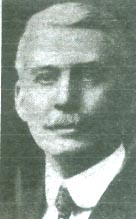
Mass meetings of citizens were held, virtual agreements
were reached, and the Legislature acted and supplanted the Mayor and
Aldermen by a Board of Control, consisting of five men. This Board,
according to the act of its creation, was to be appointed by the
Governor, three men for five years, one for two years, and one for
one year, the latter being subject to the electorate at the end of
their respective terms, and the whole Board passing out of existence
at the end of five years, after serving the fifth year together with
a Mayor and Board of Aldermen elected by the people in the fall of
1911, while in the fall of 1912 the people would vote upon the
question, ” Shall the Chelsea Board of Control be continued?
” If an affirmative vote be recorded, the Governor shall appoint
a Board of Control of three members to serve respectively for one,
two and three years, together with the Mayor and Board of Aldermen,
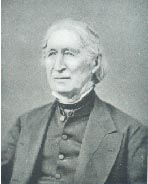
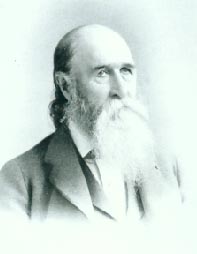
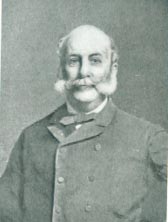
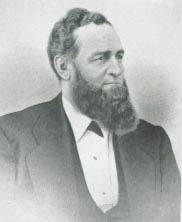
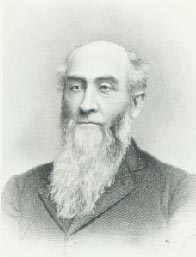
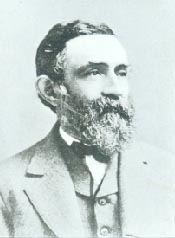
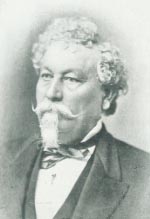
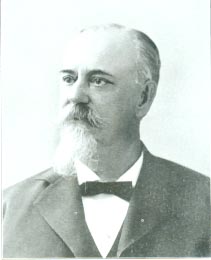
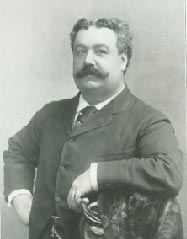
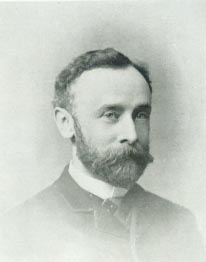
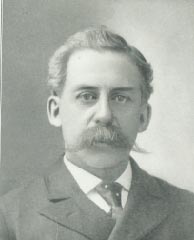
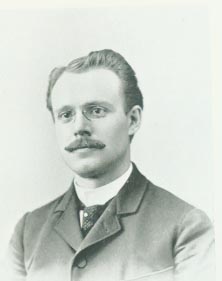
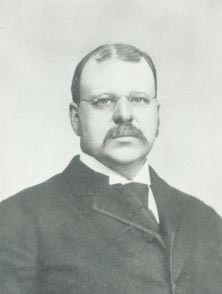
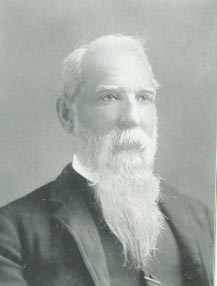
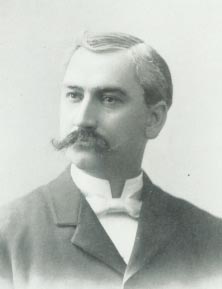
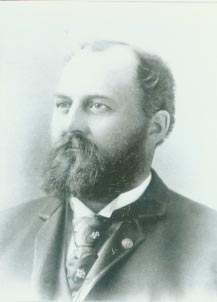
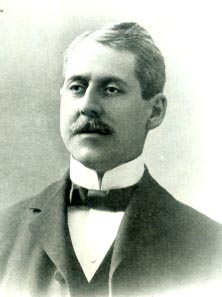
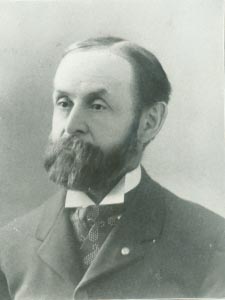
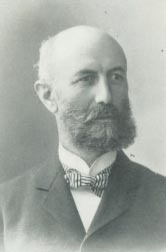
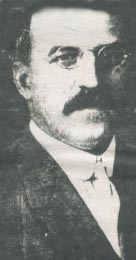
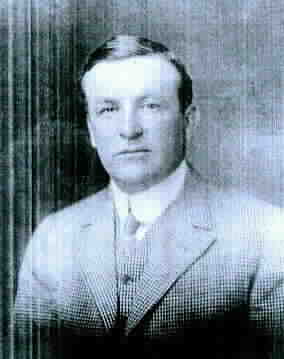
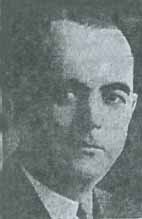
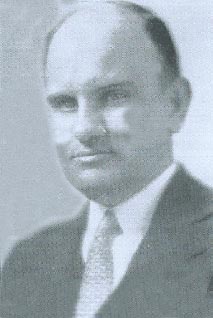
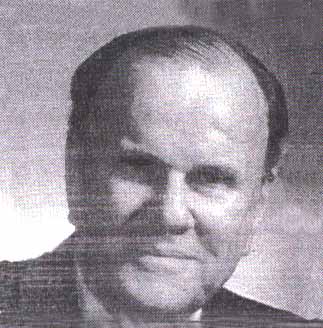
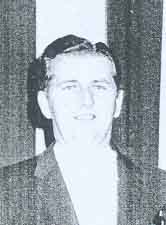
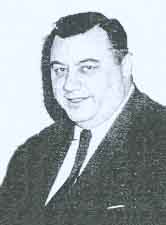
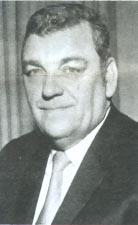
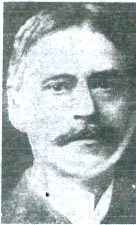
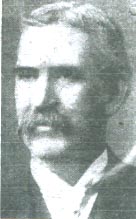
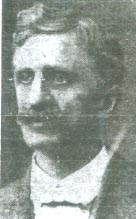
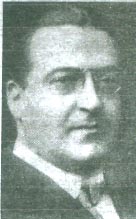
elected by the people. Under this act. Governor Draper appointed
William B. McClintock, Alton E. Briggs and George H. Dunham of
Chelsea, A. C. Ratshesky of Boston, and Mark Wilmarth of Maiden.
The Board of Control began its regime 4 June 1908. With its
coming into being the Mayor, Aldermen and School Committee went out
of office. Municipal elections were abolished until 1911. License was
to be settled at State elections. The Commission, appointed a School
Committee of five members. The Commission could appoint or remove all
officials, and fix all duties, powers and salaries. The Commission
could establish parks, squares and streets, or widen or discontinue
streets; could establish building line and regulate height and
character of buildings; could make public improvements and assess
betterments. In 1912 Chelsea was to vote on the question, ”
Shall the Chelsea Board of Control be continued? ” The
Commission was made up of a civil engineer, a banker, a builder, an
educator and a business man all able men. With the exception of Mr.
Ratshesky, who drew no salary, all devoted their entire time to the
interests of Chelsea.
The first thing the Board did was to float a bond issue of
$1,000,000 – one-half at 4%, and one-half at 3 1/2% – and furthermore
made a premium of $41,831 which was applied to the sinking fund which
at the maturity of the loan will amount to $307,280. With this money
the Board built the Williams and the Shurtleff School groups; took
the land bounded by Broadway and Washington Avenue and built upon it
a replica of Independence Hall for a City Hall; erected new city
stables capable of housing all the various departments, new fire
houses, a new Public Library with money presented by Andrew Carnegie
and put $20,000 worth of books in it; widened and straightened many
streets, and planted hundreds of shade trees. These and many other
things, in addition to carrying on the daily routine of the various
city departments, the Commission did, and did exceedingly well. Then
the people of Chelsea on election day in 1912 voted to abolish the
Commission and return to the old form of government, consisting of a
Mayor, and Board of Aldermen.