Chelsea’s War Dead

CHELSEA’S CONTRIBUTIONS TO WORLD WAR II

A lot of Americans believed that whatever ‘Hitler’ was doing in
Europe and ‘Tojo’ was doing in the Far East, none of it was any of
our business. Let them blow each other to smithereens, we have no
worries; not with two great oceans protecting us. The tune changed
with the surprise attack on Pearl Harbor, Hawaii, in December 1941.
Then the rush was on to enlist.

“I fear all we have done is awakened a sleeping giant and filled
him with a terrible resolve.”

Admiral Yamomoto

“We shall not flag or fail. We shall go on to the end. We shall
fight in France, we shall fight on the seas and oceans, we shall
fight with growing confidence and growing strength in the air, we
shall defend our island, whatever the cost may be. We shall fight on
the beaches, we shall fight on the landing grounds, we shall fight in
the fields and in the streets, we shall fight in the hills; we shall
never surrender.”

Sir Winston Churchill

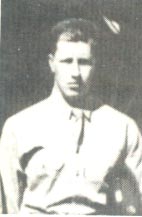
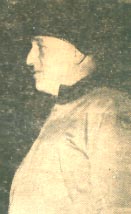
Pvt. Lawrence P. Lyons, Jr.

Service Flag
Presented to City

  On October 12, 1943 several hundred persons gathered in
Chelsea Square to observe the raising of a Service Flag which was
presented to the city by a joint committee of the Chelsea Council
Knights of Columbus and the Chelsea Lodge of Elks. The flag bearing
the number “4849” representing the Chelsea men and women
serving in the armed forces, and the number “23”
representing the number of persons who have thus far given their
lives in the

world conflict.

The honor of unfurling the service flag was given to
Mrs. Lillian V. Ostler, of Broadway, who had eight sons in the service.

Pvt. Lawrence P. Lyons, Jr., a resident of Lash St. was the only
Chelsea person to lose his life during the Japanese attack on Pearl
Harbor. Lyons was the son of Lawrence P. and Leontina (Carridon)
Lyons. He was born in Chelsea and educated in the Burke, Prattville,
Carter and Chelsea Senior High Schools, graduating in 1939.

Lyons was killed as he ran across a runway at Hickam Field during
the second wave of the Japanese attack. He was the lone Chelsea
victim that “Day of Infamy” when more than 2,400 lost their
lives and the world was changed forever.

  He survived the first assault on Hickam Field, but as he
was running across the runway in the second wave a piece of shrapnel
hit him in the back. Lyons was just 20 years old when he fell.

  Lyons’ father, Lawrence P., a World War 1 Navy veteran,
almost immediately signed up again with the Navy despite being in his
40s and served during World War 2 on a Navy water-tender, which
supplied fresh water on the ships.

  Lyons’ brother Robert, 18 at the time of the attack,
dropped out of school and joined the Naval Airforce. He made a career
out of the Navy and retired as a captain. Lyons’ sister Elizabeth, 16
at the time of the attack, now lives in New Jersey.

General Norman Cota, Chelsea
Native, Key Figure In The War

  A military general who directed many of the leading
campaigns in Europe and Africa during World War II is a Chelsea
native and was graduated from local schools.

  After graduating from Chelsea High School, Maj-Gen Norman
Cota attended Worcester Academy and later graduated from the U. S.
Military Academy at West Point. General Cota was one of the key
figures in the invasion in Oran in North Africa, was one of the
heroes of the D-Day landings at Omaha Beach, and was instrumental in
defeating the germans at the battle of St. Lo.

  As commander of the 29th Infantry Division, Gen. Cota led
the unit across France, Belgium and Luxembourg, and was credited with
being principally responsible for the Allied victory at Bastongne,
one of the key points in the Battle of the Bulge.

  A Distinguished Service Medal winner, Gen. Cota always gave
his home as Chelsea, where his mother and sister lived at 308
Washington Ave. His sister, Miss Ardell Cota, taught in Chelsea for
many years, serving as elementary supervisor at the Shurtleff School
and principal at the Mary C. Burke School until her retirement.

  In September of 1944, He was promoted to the rank of
major-general and in 1947, he became director of the Philadelphia
region of the War Assets Adminstration, a position he held until he
retired on September 30, 1945. General Cota, along with General
Balnchard, another Chelsea-born war hero, led the “Victory
Parade” in this city in October of 1945.

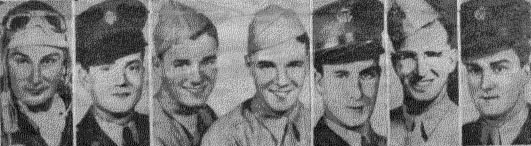
Eight Chelsea brothers serving in
World War 2

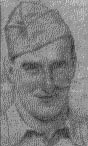
Charles J. Ostler
Killed in Action

Howard Ostler, 27 – Leon Ostler, 25 – Twins Robert and Roland Ostler,
19 – Arthur Ostler, 30 – Donald Ostler, 21 – George Ostler, 23 –
CLICK HERE FOR NEWSPAPER ARTICLE

Partial Listing
of Chelsea Veterans who served in World War 2

This list is being developed. If you have any information, stories or
pictures about a relative or other Chelsea resident who served in
World War 2 or any other war or military action, please e-mail the
information to [email removed].

174 Chelsea Residents who
lost their lives during World War 2.

Click the name of a specific individual for more information

Additional individual information exists only where the link is enabled.

Stanley Adamowicz

Bosun

Merchant Marines

Killed in Action

Sidney J. Malatsky

Leutenant

Ar. Air Force

Killed in Action

Louis T. Annese

Sergeant

US Army

Killed in Action

Samuel Margollis

Sergeant

US Army

Killed in Action

Benjamin Azarva

Private

US Army

Killed in Action

Edward N. Marshall

Seaman 3c

?

?

Francis E. Bangs, Jr.

Sergeant

US Army

Killed in Action

John P. McDonald

A.O.M. 2/c

?

?

Francis B. Barbieri

Corporal

US Army

Killed in Action

Irving McGuire

A 3c

?

?

Harry Baritz

Private F. C.

US Army

Died – Non Battle

William Meehan

Leutenant

US Navy

Killed in Action

Louis A. Barone

Private

US Army

Killed in Action

Homer P. Menard

C. T. Captain

US Navy

Killed in Action

Israel D. Barr

PhM 2-c

?

?

Michael A. Migliore

Yeoman 2c

US Navy

Killed in Action

Hyman Belsky

Private F. C.

US Army

Killed in Action

Bernard Miller

Staff Sergeant

US Army

Finding of Death

William A. Berkowitz

Private

US Army

Killed in Action

LeRoy F.Mitchell

Private F. C.

US Army

Killed in Action

Louis C. Bial

Sergeant

US Army

Died – Non Battle

John C. Mowatt

A.R.M. 2/C

US Navy

Killed in Action

Adolph Bialecki

T/5

US Army

Killed in Action

James D. Mugford

A 3c

?

?

Milton G. Bloom

Corporal

US Army

Died – Non Battle

Frederick P. Myers

BM 1/c

US Navy

Killed in Action

Sidney Bloom

Private F. C.

US Army

Killed in Action

Michael A.Nadworny

Private F. C.

US Army

Killed in Action

Edward F. Brennan

Private

US Army

Died – Non Battle

Michael J. Nemerowski Jr

F/O

US Navy

Killed in Action

Melvin Brodie

Private

US Army

Killed in Action

William L. Nolan

Leutenant

US Army

Killed in Action

Charles Brodsky

C.B.M.

US Navy

Died as POW

Sidney Noretsky

Private

US Army

Killed in Action

Jack R. Brodsky

Private F. C.

US Army

Finding of Death

John E. O’Keefe

Leutenant

?

?

Charles J. Burke

Private

US Army

Killed in Action

Nicholas Opolka

Private

US Army

Killed in Action

Richard R. Burns

B.M.2-c

?

?

Charles J. Ostler *

Private

US Army

Killed in Action

Delmar C. Cadle

Private

US Army

Killed in Action

George E. Pantano

Leutenant

US Navy

Killed in Action

Dovela Anthony Casey

Utility Man

Merchant Marines

Killed in Action

Chester W. Pazyra

Corporal

?

?

Wilfred J. Cassie

Sergeant

US Army

Died – Non Battle

Chester J. Peach

Seaman 1c.

US Navy

Killed in Action

Joseph J. Campedelli

Private F. C.

US Army

Killed in Action

Eben C. Peach

Private

US Army

Killed in Action

Anthony M. Cenga

?

?

?

Maurice P. Penan

Private

US Army

Died – Non Battle

Michael Cimino

Private F. C.

US Army

Killed in Action

Moris M. Pinks

Leutenant

US Army

Finding of Death

Paul Connors

Sergeant

US Army

Killed in Action

Harry Potter

Private

US Army

Died – Non Battle

Frederick J. Cotreau

Private

?

?

James E. Powers

Seaman 1c

?

?

William S. Cucciniello

Sergeant

US Army

Killed in Action

Donald Randazzo

Private

US Army

Killed in Action

Vahe Dadourian

Sergeant

US Army

Killed in Action

Michael J. Repuccci

Private

US Army

Killed in Action

Israel Wolf Davis

Appr. .Seaman

Coast Guard

Killed in Action

Pfc. Guido Rosati

Private F. C.

US Marines

Killed in Action

Norman B. Denning

T/5

US Army

Killed in Action

Bernard Ross

Fireman 1/c

US Navy

Killed in Action

Herbert L. Dennis

S.V.G. 3/c

US Navy

Died – Non Battle

Joseph M. Ross

Private

US Army

Killed in Action

Frank S. DiLorenzo

Merchant Marines

Killed in Action

Russell Rowe

 Merchant Marines

Killed in Action

John Di Silvestro

Merchant Marines

Killed in Action

Felix P. Rowinski

CPO

US Navy

Killed in Action

John L. Doran

Sergeant

US Army

Died – Non Battle

Nicholas Salerno

Private

US Army

Killed in Action

Samuel Doris

Merchant Marines

Killed in Action

Harold K. Searle, Jr.

Leutenant

US Army

Killed in Action

Thomas G. Downey

Private F. C.

US Marines

Died – Non Battle

George Sevkarian

Sergeant

US Army

Died – Non Battle

Clifford R. Durgin

Private F. C.

US Army

Killed in Action

Charles W. Shannon Jr.

Leutenant

US Army

Died – Non Battle

James S. Duval III

Seaman 1-c

?

?

Israel D. Shapiro

Private F. C

US Army

Died of Wounds

Walter A. Falta

Tec5

US Army

Finding of Death

George Shatzman

Captain

US Army

Killed in Action

Leonard Fleischer

Private

US Army

Killed in Action

Robert Quinton Shea

Raidoman 3c

US Navy

Killed in Action

Thomas A. Flight

Private F. C.

US Army

Killed in Action

Robert Frank Shearer

Ship’s Cook 2c

US Navy

Killed in Action

Ernest A. French

Merchant Marines

Killed in Action

Ramon M. Skoczylas

Private F. C

US Army

Killed in Action

George T. Garden

Sergeant

US Army

Killed in Action

Gregory Shoohigh

Tec5

US Army

Killed in Action

Martin Gates

Private

US Army

Killed in Action

Clarence Snow

C.M.

?

?

John H. Gavin

Corporal

US Army

Died – Non Battle

Charles J. Socha

Sergeant

US Army

Killed in Action

Harry S. General

Leutenant

US Army

Finding of Death

Carl Spragg

Leutenant

?

?

John A. Gianetto

Seaman 1c

?

?

Peter Stamulis

Private

US Army

Killed in Action

William Vincent Giguere

Wtr tndr 1c

US Navy

Killed in Action

Raymond Stickney

Private

US Army

Killed in Action

John S. Gillespie

?

US Navy

?

Wiliam J. Strong

Private F. C.

US Army

Killed in Action

Francis H. Gillooly

Private F. C.

US Marines

Killed in Action

John D. Sullivan

Sergeant

US Army

Killed in Action

Fred B. Ginsberg

Private F.C.

US Army

Died – Non Battle

John E. Sullivan

Sergeant

US Army

Died of Wounds

Alfred Joseph Girourd

Merchant Marines

Killed in Action

Dennis J. Sullivan

Private F. C.

US Army

Killed in Action

Norman Donald Glick

Radarman 3c

US Navy

Killed in Action

Lawrence Suszynski

Private F. C.

US Army

Killed in Action

David Glickstein

Private

US Army

Died – Non Battle

George Takessian

Corporal

US Army

Died – Non Battle

Lester Glover, Jr.

Private F.C.

US Army

Killed in Action

Leonard Tannen

Private

US Army

Died – Non Battle

Walter Glowacki

Private F.C.

US Army

Killed in Action

William J. Tataroun

Staff Sergeant

?

?

Roy Howard Goodwin

Merchant Marines

Killed in Action

Hyman Taylor

Private

US Army

Died – Non Battle

Charles J. Green

Private F.C.

US Army

Killed in Action

Justin A. Taylor

Leutenant

US Army

Killed in Action

Vincent B. Gregoire

Private

US Army

Killed in Action

Samuel H. Taylor

Seaman 1c

US Navy

Killed in Action

Stephen J. Hagan

Private F.C.

US Army

Killed in Action

Jerry I. Thibeault

TM 3/c

US Navy

Killed in Action

Joseph J. Hamilton

Private F.C.

?

?

Andrew Tomasello

Private F. C.

US Army

Killed in Action

Edward Hannabury

Leutenant

US Army

Killed in Action

Daniel Donato Turco

Seaman 2c

US Navy

Killed in Action

lrving S. Hyffer

Private

US Army

Died – Non Battle

David Hyman Udell

Merchant Marines

Killed in Action

Floyd 0. Illingworth

Private F.C.

US Army

Killed in Action

Ralph Ungaro

Leutenant

?

?

William R. Irons

Sergeant

US Army

Killed in Action

Michael Varricchio

Private

US Army

Killed in Action

Marcel P. Jandrys

?

?

?

Thomas Voltero

Staff Sergeant

US Army

Killed in Action

Clement L. Jaynes

?

?

?

Raymond O. Waggoner

BM 1/c

US Navy

Killed in Action

James Joyce

Seaman 1c

US Navy

Killed in Action

Sumner Walker

Staff Sergeant

A. Air Force

Killed in Action

William J. Joyce

Sergeant

US Army

Died of Wounds

Manuel J. Weiner

Private F.C.

US Army

Died – Non Battle

Paul Kachuck

C C M

US Navy

Killed in Action

Herbert G. Winfrey

Ensign

Coast Guard

Killed in Action

Peter Kalitkewicz

Private

US Army

Killed in Action

Jan Wolinski

Private

US Army

Killed in Action

John D. Kane

Sergeant

US Army

Killed in Action

Howard Woodell

Leutenant

?

?

Jacob H.Katz

Private

US Army

Killed in Action

George Yanover

Private

US Army

Died of Wounds

Euphret Kazanjian

Signalman 3c

US Navy

Killed in Action

Walter F. Young

Private

US Army

Died – Non Battle

Frank Kectic

Private F.C.

US Army

Died – Non Battle

Ignatius Zawachi

Private

US Army

Died – Non Battle

Arthur W. Keenan

Private

US Army

Died of Wounds

Israel P. Zide

Private

US Army

Died – Non Battle

Harry A. Kepnes

Leutenant

US Navy

Killed in Action

Aldo Zinetti

Private F.C.

US Army

Killed in Action

Robert Kilduff

Private

US Army

Killed in Action

Allen I. Klarfaen

Leutenant

US Army

Died – Non Battle

* Charles J. Ostler, one of eight brothers serving in the war, killed
during combat in the Lago Trasimeno area of Italy May 11-12, 1944.

Henry S. Kosolowski

Private

US Army

Killed in Action

Charles Kostopoulos

Private

US Army

Killed in Action

Joseph W. Kowalczyk

Private

US Army

Killed in Action

Chester S. Krolikowski

Sergeant

US Army

Killed in Action

Anthony LaRiccia

Seaman 1c

US Navy

Killed in Action

Ralph LeGrow

Corporal

US Army

Finding of Death

Thomas J. Lawless

Private F.C.

US Army

Killed in Action

George R. Lehan

Sergeant

US Army

Killed in Action

Bleecker Lettin

Radioman 3c

US Navy

Killed in Action

Louis J. Levine

Private F.C.

US Army

Killed in Action

Frank C. Logan

Staff Sergeant

US Army

Killed in Action

George B. Loitman

Cadet

?

?

Jacob Luster

Staff Sergeant

A. Air Force

Killed in Action

Lawrence P. Lyons, Jr.

Private

US Army

Killed in Action

US MERCHANT MARINE DEATHS FROM CHELSEA

NAME

AGE

SHIP

DATE of DEATH

RANK

Adamovicz, Stanley

24

Lyman Abbott

December 2, 1943

Bosun

Casey, Dovela Anthony

Unk.

Pan New York

October 29, 1942

Utility man

Doris, Samuel

Unk.

SS Edward B. Dudley*

April 10, 1943

O.S.

Di Lorenzo, Frank Salvatore

Unk.

Sumner I. Kimball

January 16, 1944

Able Bodied Seaman

Di Silvestro, John

Unk.

SS Robin Goodfellow*

July 25, 1944

3rd Engineer

French, Ernest Augustus

Unk.

Lemuel Burrows

March 14, 1942

Oiler

Girourd, Alfred Joseph

Unk.

Topa Topa

August 29, 1942

Wiper

Goodwin, Roy Howard

Unk.

SS John Winthrop*

September 24, 1942

Wiper

Rowe, Russell

Unk.

 Joseph Malantic

March 9, 1943

Able Bodied Seaman

Udell, David Hyman

Unk.

SS Azalea City*

February 21, 1942

Wiper

* One of 33 United States Flag Merchant Ships That Vanished
(Confirmation of attacks came after World War II from German records)

SHIP

LOCATION

CAUSE

RESULT

DATE

TYPE

DEATHS

Lyman Abbott

Black Sea

Bombed

Damaged

12/02/43

Liberty

Crew 2; AG 1; Army 1

Pan New York

NE. Atlantic

Torpedo

Sunk

10/29/42

Tanker

Crew 26; AG 17

Edward B. Dudley

N. Atlantic

Torpedo

Sunk

04/11/43

Liberty

Crew 42; AG 25

Sumner I. Kimball

N. Atlantic

Torpedo

Sunk

01/16/44

Freighter

Crew 40; AG 30

Robin Goodfellow

S. Atlantic

Torpedo

Sunk

07/25/44

Freighter

Crew 41; AG 28

Lemuel Burrows

US Eastcoast

Torpedo

Sunk

03/14/42

Collier

Crew 20

Topa Topa

Caribbean

Torpedo

Sunk

08/29/42

Freighter

Crew 18; AG 7

John Winthrop

N. Atlantic

Torpedo

Sunk

09/24/42

Liberty

Crew 39; AG 13

Joseph Malantic

NE. Atlantic

Torpedo

Sunk

03/09/43

Freighter

Crew 19; AG 5; Passenger 1

Azalea City

N. Atlantic

Torpedo

Sunk

02/20/42

Freighter

Crew 38

Note: AG is U.S. Naval Armed Guard

United States Flag Merchant
Ships Final Battle Histories

The Lyman Abbott was one of the Liberty
ships badly damaged when the Black Sea harbor of Bari was attacked on
December 2, 1943 by 105 German Ju88 aircraft. For twenty minutes the
British controlled port was pounded with high explosives; 17 ships
were destroyed, 8 others were badly damaged; 38,000 tons of cargo
were sunk, over 1000 Allied military personnel and seamen, together
with Italian civilians, died. Flames reached over a hundred feet as
ammunition ships blew up and aviation fuel ignited. The harbour was
congested with Allied shipping. Defence of the port against aerial
attack was largely up to the ships themselves. This attack is known
as the Bari Disaster.

The Pan New York tanker in station #43
of convoy HX-212, at 07.57 hours on 29 Oct, 1942, was torpedoed by
German U-624 about 550 miles west of Malin Head. One torpedo struck
on the port side in the #3 tank and sprayed flaming gasoline all over
the after part. The port bow wind blew the flames over nearly the
entire length and ventilators aft sucked the fire down to the engine
room and quarters of the crew. The flames destroyed nearly all
lifeboats and rafts and burning gasoline swam on the water on the
leeward side of the vessel. (the ship was armed with one 5in, one
3in, six 20mm and two .30cal guns)

The survivors among the eight officers, 31 crewmen and 18 armed
guards remained aft in the messroom. They waited more than nine hours
and jumped at the first daylight into the water when a corvette was
about 500 feet off the starboard side. 13 men were picked up by HMCS
Rosthern (K 169) (T/Lt R.J.G. Johnson, RCNVR), but one of these later
died and two others were rescued by HMCS Summerside (K 141) (T/Lt
F.O. Gerity, RCNR). Only one officer, twelve crewmen and one armed
guard survived. The wreck of the tanker was sunk by the two corvettes
with gunfire and depth charges about 11 hours after the attack.

The Edward B. Dudley (Master Gibson
Douglas Hillary) left New York in convoy HX-232 on 4 Apr, 1943. Later
the ship straggled from the convoy perhaps due to bent propeller
blades and was never heard from again. None of the eight officers, 34
men and 27 armed guards on board were ever found. (the ship was armed
with one 4in and nine 20mm guns)

The following is from captured German records:
At 14.30 hours on 10 April, U-615 commanded by Kapitänleutnant
Ralph Kapitzky, fired a spread of four torpedoes on a single ship,
but only one torpedo hit and it failed to explode. She followed the
vessel, which was now steaming a zigzag course and the next day at
04.46 hours fired two torpedoes which hit amidships and stopped the
vessel. 20 minutes later another torpedo was fired from 1000 meters
that struck at the stern and ignited the after magazine, but the ship
still remained afloat. At 05.16 hours a final torpedo was fired from
800 meters that struck under the bridge. The cargo of munitions was
ignited and the ship disintegrated. Debris slightly damaged the
conning tower of the U-boat and wounded Kapitzky, forcing U-615 to
abort her patrol and return to port. The launching of many lifeboats
was observed before the ship exploded. The ship is assumed to have
been the Edward B. Dudley.

Sumner I. Kimball At 19.20 hours on 16
Jan, 1944, the Sumner I. Kimball (Master Harry
Atkins), a straggler from convoy ON-219 due to bad weather the
morning of 16 January, was spotted by U-960 about 900 miles east of
Belle Isle Strait in 52°15N/33°45W steering a zigzag course
at about 10 knots. The U-boat began chasing the ship in heavy seas
and thunder storms and fired at 21.35 hours a stern torpedo which hit
after 38 seconds. The Kimball proceeded at about 7 knots and
unsuccessfully tried to ram the U-boat in low visibility shortly
after two torpedoes fired in a second attack at 22.02 hours had
missed. At 22.39 hours, two more torpedoes were fired of which one
hit after 52 seconds and stopped the vessel. The U-boat then dived to
reload the torpedo tubes and fired two more topedos at 01.36 hours
and 02.03 hours, which both hit amidships without visible effects,
but three minutes after the U-boat surfaced at 03.15 hours the ship
broke in two just aft of the midship house and forward of #4 hatch.

During the night, U-960 searched in vain for survivors and on
daylight the wreck of Sumner I. Kimball because the BdU assumed that
the target could have been the German blockade runner Rio Grande
(which had been scuttled by the crew after being stopped by USS Omaha
(CL 4) and USS Jouett (DD 396) on 4 January). On 17 January, the
forward section was located at 16.00 hours, photographed and sunk by
torpedo at 18.43 hours. No survivors were ever found, eight officers,
32 crewmen and 29 armed guards were lost. (the ship was armed with
two 3in and eight 20mm guns)

Robin Goodfellow At 02.12 hours on 25
Jul, 1944, the unescorted Robin Goodfellow (Master Bjarne
Bjornsgaard) was torpedoed and sunk by U-862 in the South Atlantic.
The British motor merchant Priam received a distress signal, but none
of the eight officers, 33 crewmen and 27 armed guards survived. (the
ship was armed with one 4in, one 3in and five 20mm guns)

Lemuel Burrows At 07.58 hours on 14 Mar,
1942, the unescorted and unarmed Lemuel Burrows (Master Grover Dale
Clark) was torpedoed by U-404 about five miles south-southwest of the
Brigantine Gas Buoy off Atlantic City after spotting the silhouette
of the collier against the bright lights of the city. The U-boat had
earlier missed with two torpedoes before hitting with the third on
the starboard side between the #2 and #3 holds, followed by a another
torpedo at 08.15 hours on the port side amidships. Most of the eight
officers and 26 crewmen abandoned ship in two lifeboats, just before
the ship was hit at 08.28 hours by a torpedo on the starboard
quarter, causing the ship to lift and then sink, swamping the nearby
lifeboats. All survivors were thrown into the icy water. Only eight
men managed to cling to the overturned boat, but two eventually
slipped into the water and drowned, while other survivors swam to two
rafts, which had floated free. The U-boat surfaced and questioned the
survivors before leaving the area.

After drifting for six hours, eight survivors were picked up by the
American steam merchant Sewalls Point and seven others by a boat from
the American steam merchant James Elwood Jones. Four officers and 16
crewmen were lost. All survivors were landed at New York, where one
survivor died in the Marine Hospital at Staten Island.

Topa Topa At 02.37 hours on 29 Aug,
1942, the unescorted Topa Topa (Master Clarence Edward McCoy) was hit
on the starboard side by two torpedoes from U-66 about 350 miles
north of Cayenne, French Guiana. The vessel had been spotted at 17.23
hours the day before and her zigzag course at 12 knots prevented a
first attack, but due to a rain squall they stopped zigzagging. The
first torpedo struck at the #2 hatch and blew off the side of the
bridge, while the second hit the #5 hatch. The cargo of gasoline
drums caught fire, forcing the eight officers, 34 crewmen, 15 armed
guards and three Canadian passengers to abandon ship in three
lifeboats. The burning ship sank at 04.02 hours. The master, two
officers, 15 crewmen and seven armed guards were lost. The chief
officer was taken aboard by the U-boat, questioned and then returned
to the lifeboat. The survivors were picked up the next day by the
British steam merchant Clan Macinnes and landed at Port of Spain,
Trinidad on 9 September. (the ship was armed with one 5in, one 3in,
four .50cal and two .30cal guns)

John Winthrop On 24 Sep, 1942, the John
Winthrop (Master Charles Malcolm Robertson) was torpedoed five times
by U-619 and broke in two. The U- boat surfaced and sank both parts
with gunfire until 19.10 hours. The ship had been in convoy ON-131,
but straggled from the convoy on the night of 21 September and was
never seen again, all seven officers, 32 crewmen and 13 armed guards
were lost. (the ship was armed with one 5in, four 20mm and two .30cal guns)

Malantic At 22.26 hours on 9 Mar, 1943,
the Malantic (Master Peter Hansen Lang) in station #102 of convoy SC-121
was torpedoed by U-409. One torpedo struck on the starboard side at
the #1 hatch. A violent detonation occurred 15 seconds later, blowing
out the wheelhouse windows. The engines were secured and the eight
officers, 25 crewmen, 13 armed guards and one passenger abandoned
ship in rough seas immediately in the two port lifeboats because the
starboard boats were destroyed. The vessel gradually settled by the
head and sank during the night. At 02.30 hours, the British rescue
ship Melrose Abbey picked up one man in the water and found the
lifeboat of the master with eleven survivors, but one man fell
overboard and drowned. He had been keeping the lifeboat secured to
the rescue ship. When it was his turn to board, he was so exhausted
he lost his balance and fell overboard. One of the ship´s
officers went after him and almost lost his own life doing so. When
the other lifeboat was found it capsized when it came alongside,
drowning several men. In all, three officers, 16 crewmen, five armed
guards and the passenger were lost. The survivors were landed at
Gourock the next day. (the ship was armed with one 4in, four 20mm and
two .30cal guns)

Azalea City On 12 Feb, 1942, the unarmed
Azalea City (Master George Robert Self) left Port of Spain, Trinidad
for Philadelphia unescorted and was reported missing after 16
February 1942.

The following is from captured German records:
On 21 February, U-432 spotted a steamer of 5000 grt in heavy seas
about 125 miles east-southeast of Ocean City, Maryland. A first
torpedo missed and the U-boat then crossed behind the steamer to the
port side. At 01.23 hours a second torpedo was fired at 800 meters,
which hit the freighter amidships. At 02.42 hours a third torpedo
struck forward of the bridge. It is assumed that this ship was the
Azalea City and that the nature of the cargo caused the ship to
capsize after the torpedo hits. None of the eight officers and 30 men
on board survived.