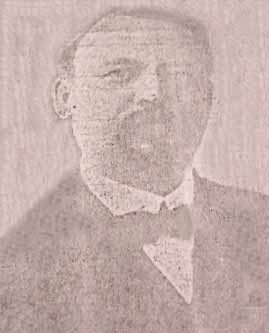
Captain Samuel Sprague was the son of Phineas and Elizabeth Sprague
of Malden. He was born in Malden on September 27, 1712. On January
11,1737 he married Martha Hills. She died on September 13, 1750. He
later married Rachel Floyd, the daughter of John Floyd of Chelsea, on
October 9, 1752. She died on June 23, 1786 at age 75. His children
were Martha, born October 23, 1737, Elizabeth, born January 31, 1739,
Mary, birth date unknown, Sarah, born in 1743, Samuel, born in 1745
and died on September 4, 1768 at age 23, Lydia, born May 23, 1748,
Lois, born July 13, 1750 and by his second wife, Rachel Floyd, he had
Rachel, born September 19, 1756. He was town moderator in March 14, 1774.
Captain Samuel Sprague was influential in the town and especially
prominent in the American Revolution. He was one of the first to take
up arms for his country and the defense of Boston and surrounding
areas. Samuel was captain of the Chelsea Company, one of three
companies assigned to Colonel Gerish’s regiment, protecting Chelsea.
Captain Sprague’s company performed duty from April 19, 1775 to the
evacuation of Boston on March 17, 1776. There is some evidence that
Captain Sprague and his Chelsea Company were at the battle of Bunker
Hill on June 17th with Gerrish’s regiment. Sprague was incapacitated
either before or during the battle and his company was led on the
hill by his lieutenant Joseph Cheever. The company was at Valley
Forge and in service during the campaigns around New York and New
Jersey. At this time Captain Sprague was 63 years old and hardly
capable of rapid marching or severe field service. The returns of the
company engagements are signed by Lietenant Cheever and not Captain
Sprague which leads to the belief that Lieutenant Cheever was in
actual command of Sprague’s company. On November 21, 1775 Sergeant
Nathaniel Hills wrote to Lieutenant Colonel Baldwin complaining of
Captain Sprague’s constant neglect of duty. This complaint was
ignored since Captain Sprague’s patriotism, courage and fidelity were
too conspicuous to be called into question by his subordinate.
At the time of his death on April 15, 1783 at age 70, he was a
tennant of the Cary Farm and also owned two farms in Rumney Marsh, (Revere).